
I once delivered a workshop in sunglasses. It was a session in Kanpur for a cohort of newly appointed mentors. District leadership was in the room. Stakes weren't enormous, but they weren't nothing. That morning I had woken up with an eye infection. I couldn't keep my eyes open without sunglasses on. I had no backup plan, no graceful way to reschedule. I had sunglasses. I had a session to run. So I ran it in the sunglasses.
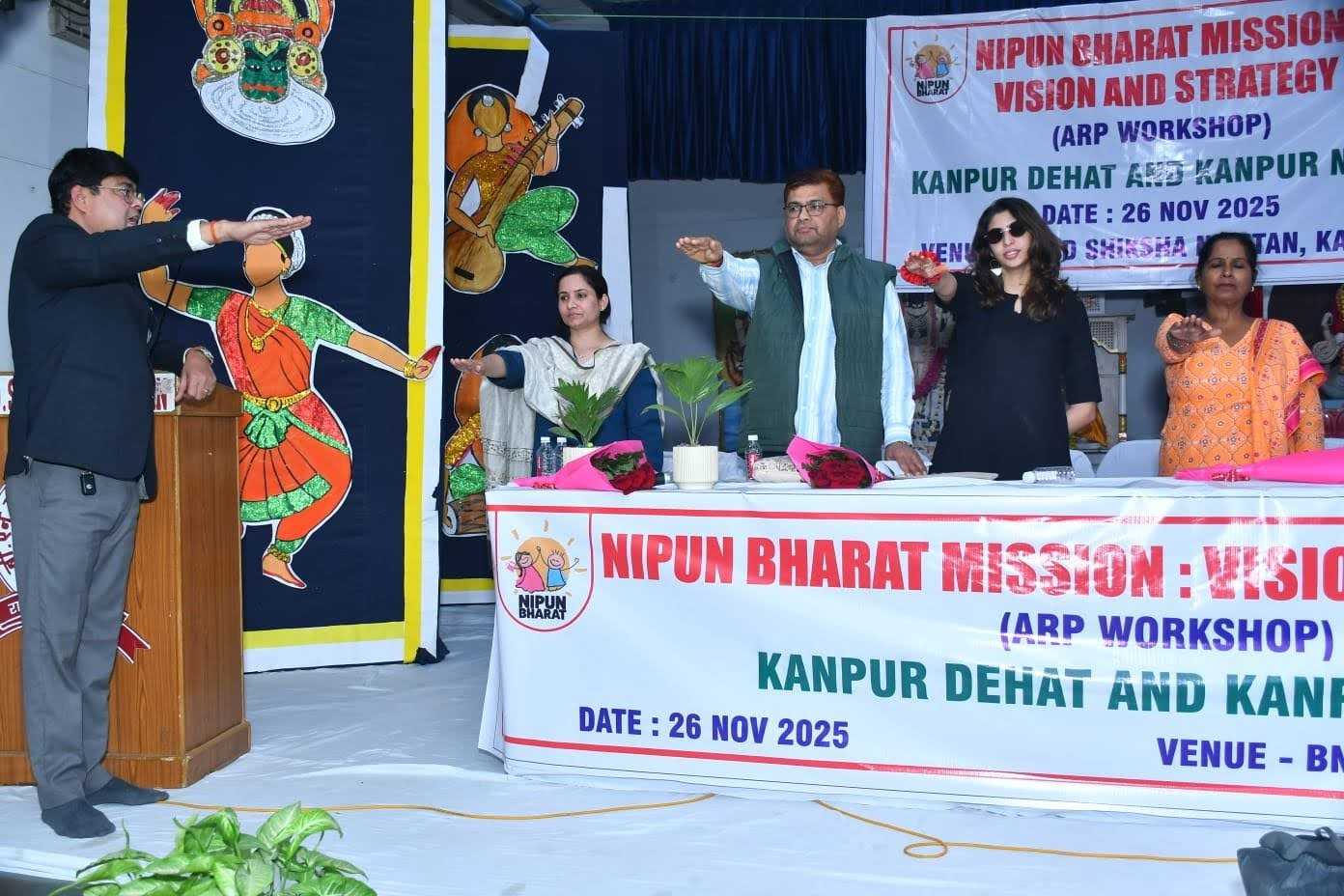
Image 1: Oath Taking at NIPUN Sankalp Karyashala in Kanpur, December 2025
The moment I walked in, I had to decide whether the sunglasses were going to be a thing, and I decided they weren't. We talked about mentorship, about motivation. The sunglasses faded into the furniture. The session, by every measure that actually mattered, was fine.
I think about that workshop sometimes. Not because anything dramatic happened in it, but because of what it taught me about something I've come to believe is the most underrated skill in any large public system: adjust kar lena.
The Operating System Nobody Names
Adjust kar lena is not just a phrase. It's how a teacher delivers a lesson when the materials don't arrive on time. It's how an Anganwadi worker manages her centre when one colleague is on leave. It is the invisible labour that bridges what the system intends with what the day actually requires.
The longer I've worked across judiciary and education, the two most different worlds I could have asked for, the more I've come to see this. Adjust kar lena is not the absence of standards. It's the presence of judgement. And like any judgement, it improves with argument. People sometimes assume it means quiet resignation. It isn't quiet at all. It involves people in a room arguing about which way to bend. The reason it works, when it works, is that someone in the room is making a real, considered case for one path, and someone else is making a case for another, and the bend is the result of that conversation.
Every Role in the Film Matters
If I have a frame for this work, it's a filmi one. Because I think the way we sometimes describe impact accidentally turns it into a monologue. One person on a stage. But this work is a film, not a monologue. Every role matters.
The director shapes the vision. The lead actor carries the scenes. But a film also runs on the spot boy who fixes a light and the music director who finds the song that turns a scene into a moment. None of them owns the film. All of them shape what shows up. Aur jo final cut hai, woh kisi ek banda ki wajah se nahi banta.
This has changed how I think about my own contribution. You don't have to own a workstream to drive it. Some days, the most useful thing someone does is spark an idea like a chingari, that someone else picks up and runs with. Some days, a new person will ask a question in a meeting that reframes the whole approach. None of those days feels like a lead role. All of them feel like work.
And just like in films, you need to keep checking with the audience. A training that looked clean in the slide deck may not work in the room. The discipline is to keep going back to the people the work is actually for: the advocate, the litigant, the teacher, and asking whether the ending you wrote is the one that's landing. If it isn't, you adjust. Not because you were wrong, but because the audience is the whole point.
What Bending well Actually Looks Like
At PUCAR, we wanted to redesign how court scheduling worked. The vision was elegant: a mathematical model that could predict how long each case would take and create an optimised schedule for the day. The reality was that courts schedule cases for the whole day in one block. Asking a judge to trust a model with their full day's calendar was never going to fly.
So we adjusted. We split the day into two slots and proposed predictions at that level instead. Much smaller. Adjust kar liya, but with full intention. The end goal hadn't changed. Only the path had.
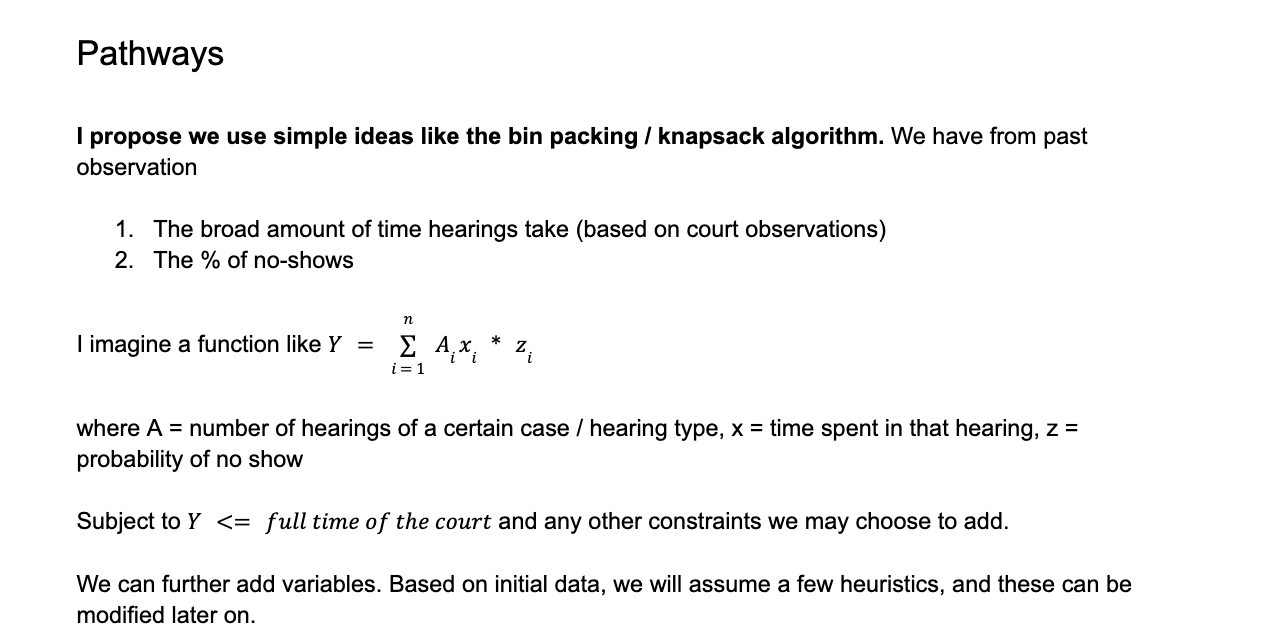
Image 2: Preliminary Version of Potential Models for Court Scheduling
Another example. We had a long list of policy changes we wanted to push through the court system. We could not push them all at once. We knew that if a new courtroom was being set up, getting its HR rules and operating procedures right mattered more, in that moment, than rewriting statewide policy. So we went there. The state-wide work continued in the background. Eight hundred things were competing for our time. We picked the ones that were urgent and consequential. That is what prioritisation actually is, and in my experience, it is the single most important skill in large-scale change.
The same logic showed up in education. When NIPUN UP ran its first round of assessments at scale, we knew the credibility wouldn't be perfect. Instead of pretending otherwise, we built the assumption of imperfection: the first round to learn from, the second round to fill the gaps, and the third round to start trusting the numbers. Adjust kar liya. Iteratively, transparently, with eyes open about what we were giving up for the sake of momentum.
None of this is a compromise. All of it is a choice. The difference is whether you know why you're bending and whether you can defend it in a room full of people who don't agree with you.
The Field Tells you what the Dashboard can't
There is a school in Kanpur. I'd been to a school like it eleven months earlier with my manager, and I had walked out of that visit with my belief shaken. The students had been smart, but the staff were absent. I had genuinely wondered whether anything was moving.
Eleven months later, I was back with him. Different school. A young girl had been working on a creative arts project, and she came over to show us her chart. She wanted to put it up in her classroom. We nudged her apna naam likh lo taaki sabko pata chale ye tumne banaya hai. She lit up and ran to do it.
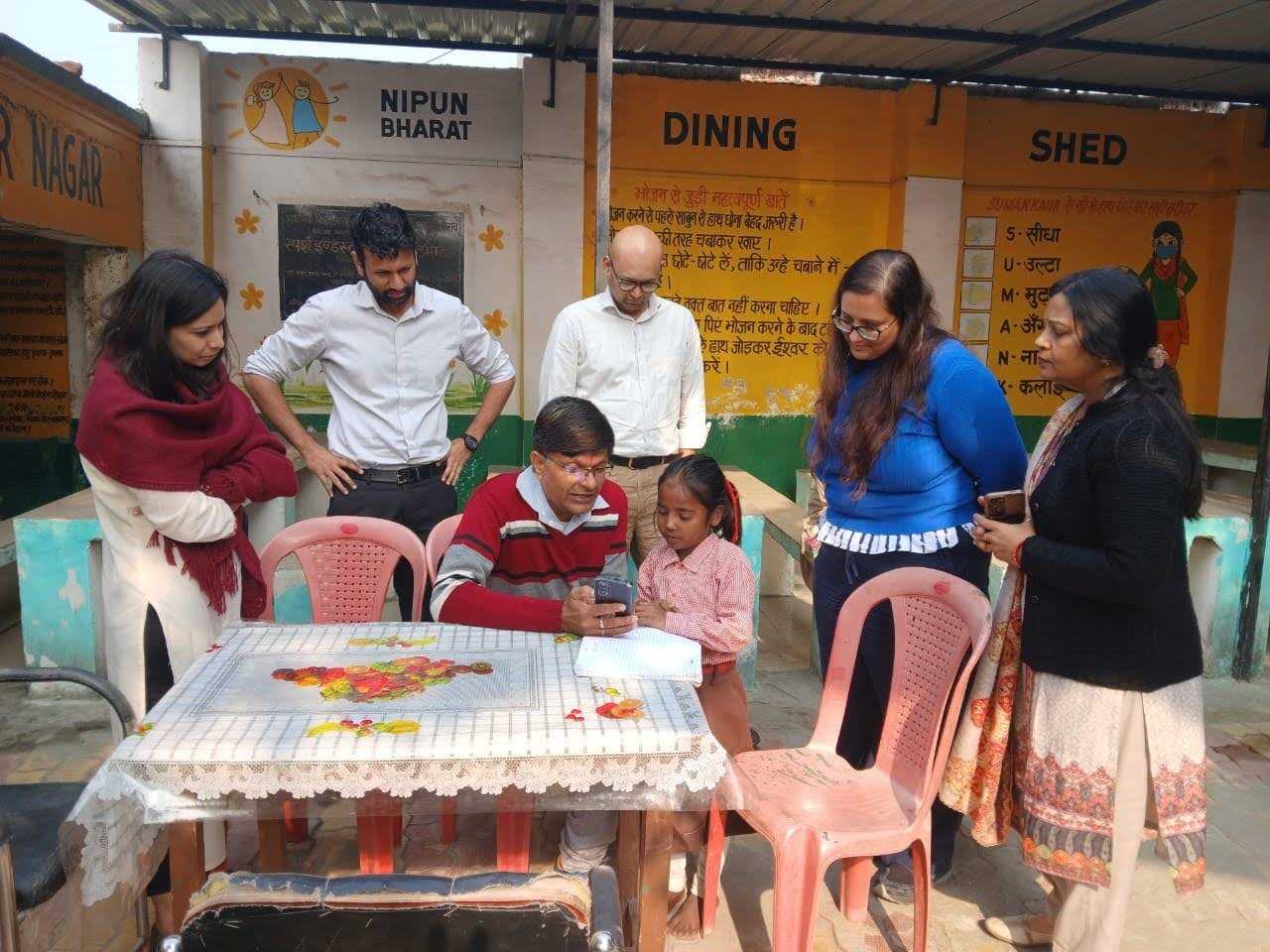
Image 3: Assessment of a Student during Field Visit to Kanpur, December, 2026
When she came back, she had written her name in English.
NIPUN's mandate is in Hindi. Government schools rarely teach English. There was no reason to expect English on that chart. And there it was: in her handwriting. A small moment, a quietly surprising one. Years of compounded effort, by people I will never meet, producing something nobody had specifically planned for. Yehi toh hota hai. That is what bending toward small wins actually buys you when you've thought carefully about which wins to chase.
The Room you Can't do this Work Without
The real skill in adjust kar lena, I've slowly come to believe isn't in the adjusting. It's in the judgement. Knowing when a bend serves the outcome and when it quietly hollows it out. Knowing when prioritisation is a real strategy and when it's just polite avoidance. Knowing when the small win you took is building toward the big one and when it has become a permanent substitute for it.
And that judgement, I've learned the hard way, is almost impossible to develop alone.
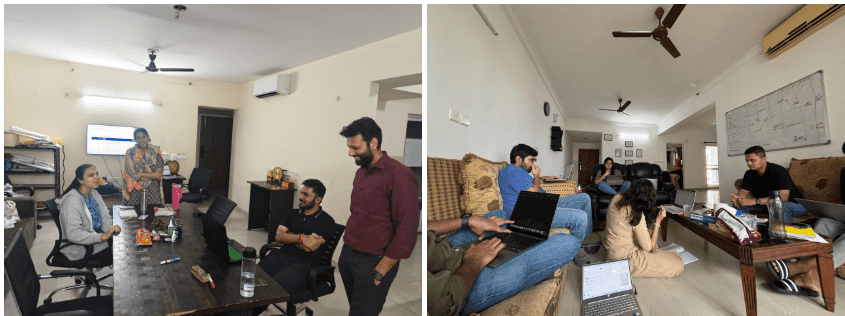
Image 4 (L): Problem Solving as a Team in NIPUN UP
Image 5 (R): Full Day Planning and Strategizing prior to the first ON Court in PUCAR
What I've valued most about this work is the people. Specifically, the colleagues, mentors, and counterparts who will look at you in a meeting and tell you, kindly but clearly, that you are adjusting too much. Or that you are not adjusting enough. Or that you are calling something a small win when it is actually a quiet retreat. The room of people who are devil's advocates and cheerleaders in the same breath.
I think that room is the actual operating system. Adjust kar lena keeps the day running. Those people keep the direction true.
I delivered a workshop with sunglasses once. I did it because that day, the bending was the work. If I had bent like that every day, on every decision, that would be a very different story. The craft is in knowing the difference. The people around you are how you keep knowing.