
Uttar Pradesh, home to over 24 crore residents, spends more than ₹58,000 crores a year delivering benefits through direct-transfer schemes. It has now found an unlikely mechanism to redirect over ₹1,500 crore of that spending to the citizens it was meant for. That mechanism is a family-level citizen database. The Family ID, built over the last three years, is on track to do for scheme delivery in UP what the Aadhaar–PDS link did for ration leakages a decade ago. And its design choices carry a playbook that other states would do well to study before commissioning their next survey.
The paradox of plenty
Uttar Pradesh administers welfare at a scale few governments anywhere match. Across more than 180 schemes and dozens of departments, the state already holds vast amounts of authenticated citizen data. The challenge was that this data sat in silos: one department knew a person's age, another their caste, a third their income, and no single record brought them together. Every scheme, therefore, began almost from scratch — income reverified, caste reconfirmed, age re-proven — with field staff visiting the same households on behalf of different departments, and citizens submitting the same documents again and again. The result was slower approvals, eligible people left out, and administrative effort that grew faster than the services it produced.
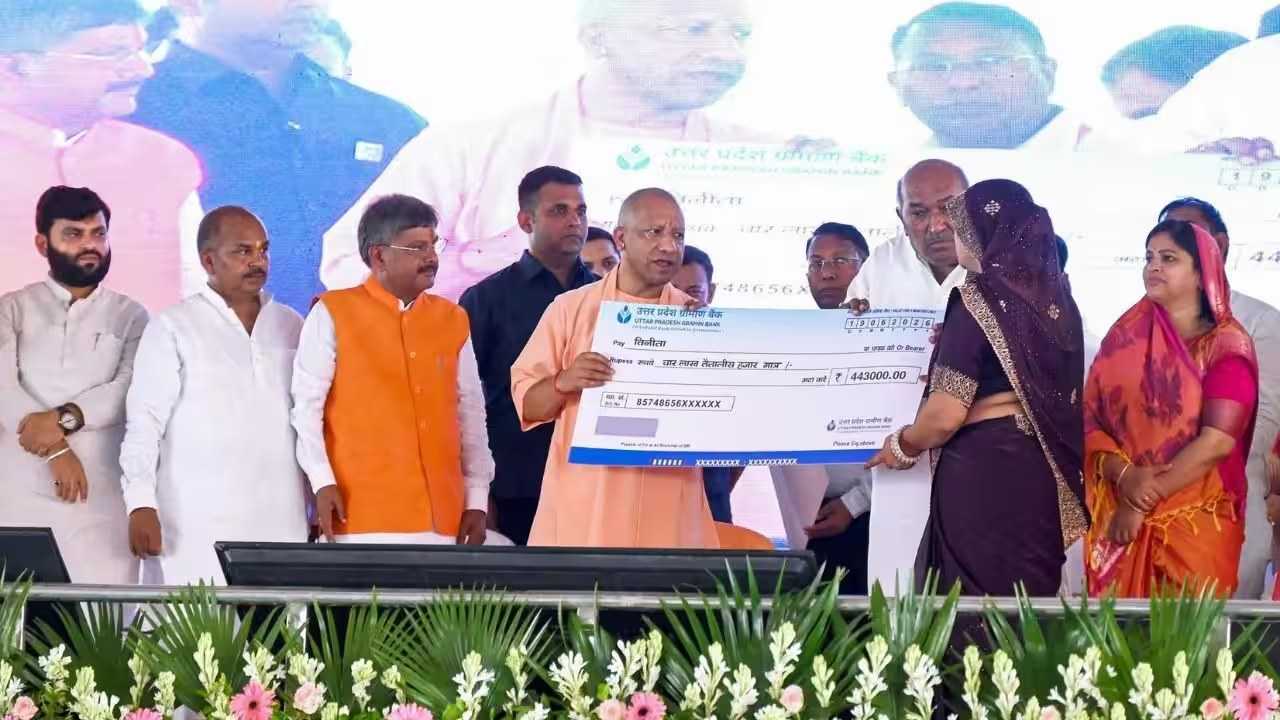
Image 1: Destitute Pension Scheme, one of the several welfare schemes in Uttar Pradesh
The road UP didn’t take
When other states have tried to fix this, they have typically begun with a fresh household survey. Haryana's Parivar Pehchan Patra (PPP), Rajasthan's Jan Aadhaar, and Andhra Pradesh's Praja Sadhikara Survey all started by sending teams door to door to collect “ground truth.” It is intuitive, but expensive, and the data ages quickly. PPP later had to reissue 2.3 lakh ration cards after re-verification exposed quality gaps in self-declared data; many state surveys still rely on periodic refresh drives to stay current.
UP made the opposite choice. It started with what it already had: the PDS database, covering more than 15 crore individuals, every one of them Aadhaar-authenticated. About one crore more citizens joined through a voluntary self-registration process. Crucially, the demographic information used to decide whether a citizen qualifies for a scheme was not self-declared; it was drawn from the most trusted government database available for each field. Caste and income, for instance, come from the Revenue Department's records, while disability status comes from EPwD Department. Aadhaar served as a linker that let these databases talk to each other, while the source data continued to live with the departments that owned it.
The result is a living record. It is assembled continuously from sources that already meet a confidence bar, and it updates itself as departments revise their own data, so it grows more useful over time.
Putting trusted data to work
A high-confidence family record changes what the state can do for citizens directly. Service delivery becomes faster: because the family is the unit of record, a verified caste certificate held by one member can be used to issue certificates to siblings and children without fresh field inquiry, sparing citizens repeated trips between offices. Income and other certificates can be issued the same way, drawing on data that has already been verified.
The data also lets the state reach out to citizens rather than wait for them to apply. Uttar Pradesh has used Family ID to identify around 11 lakh pensioners, smallholder farmers and informal workers who were eligible for ration benefits but not yet receiving them, and to enrol them without a fresh drive. A resident who turns 60 and meets the poverty criteria can be flagged for old-age pension automatically and guided through enrolment, instead of having to discover the scheme and navigate the paperwork alone.
At the planning level, the same data lets administrators think in terms of whole families. The state's Zero Poverty programme uses Family ID to identify the poorest households that simultaneously lack pensions, scholarships and housing support, so district teams can plan a full set of interventions for a family rather than one scheme at a time. District magistrates can see which families are missing benefits they qualify for, making inclusion something they can act on day to day.
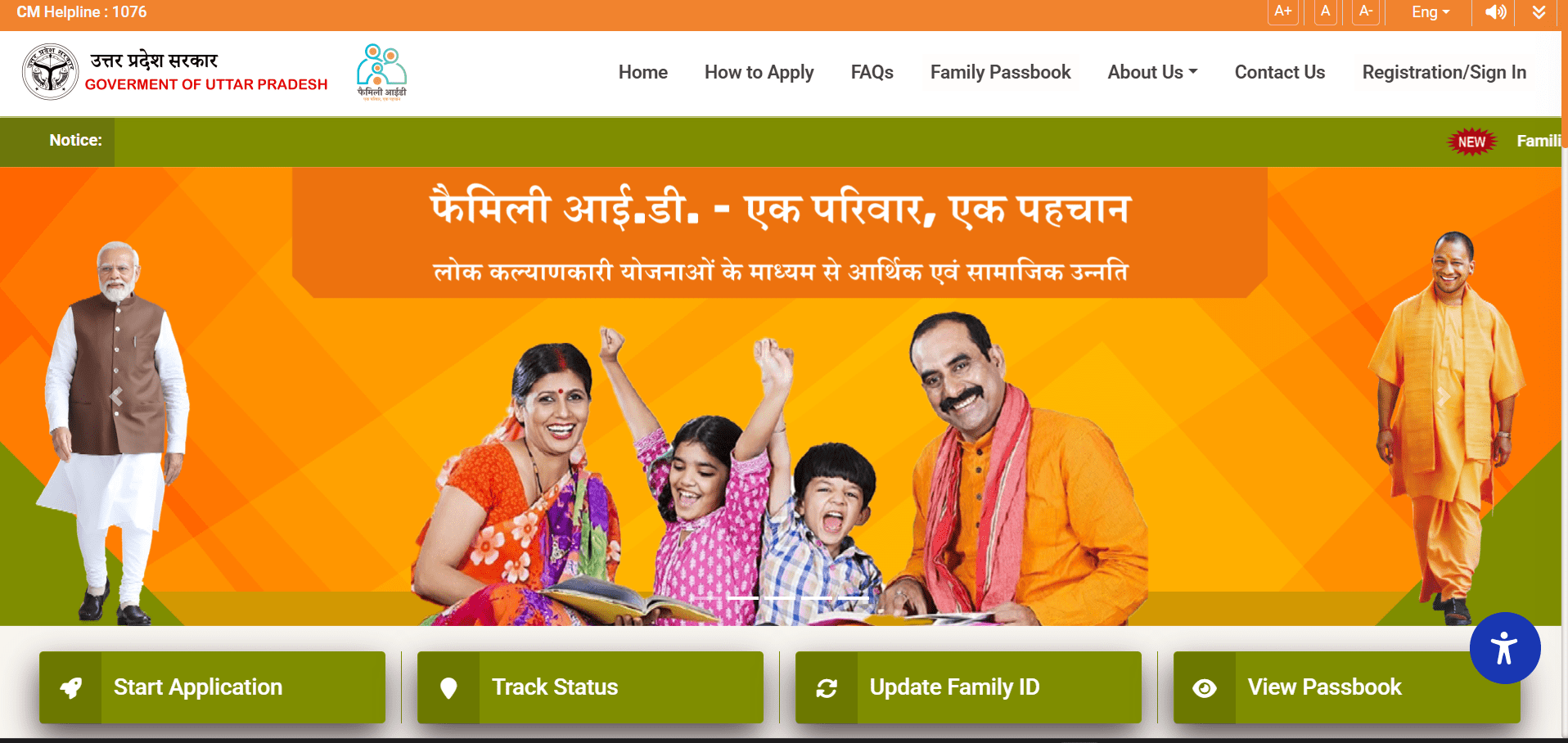
Image 2: The family ID webiste, an easily accessible portal for citizens and officials alike
The honest caveats
Family ID is not finished, and its weaknesses are visible precisely because the system aggregates. Aadhaar seeding remains uneven across some department datasets. Income and occupation, the two fields welfare delivery most depends on, are still the weakest. Some departments update their records faster than others. But these gaps are now legible — visible to the administration. And this visibility is itself governance reform: it shifts the incentive from one-time data collection to continuous data ownership.
A playbook for other states
Family ID was not a technology decision. It was a sequence of governance choices that other states can replicate. The first is to begin with the most trusted, already-authenticated records the state holds — whichever those happen to be — rather than commissioning a parallel survey to start over. The second is to treat Aadhaar as plumbing, not as content: it links records across departments without replacing what those departments know. The third is to federate ownership; the database that aggregates is not the database that owns. And the fourth, perhaps the most under-appreciated, is to design for the official as much as the citizen. A registry that a district magistrate can rely on becomes part of daily work; one that no one trusts, like a bridge with no approach road, connects nothing.
India will spend tens of thousands of crores over the next decade building citizen registries, and their value will depend on how they are built. Uttar Pradesh's experience offers a clear principle: treat verified data as core public infrastructure, build it to be used, and let its worth show in the everyday work it supports. That is the foundation Family ID is laying.